
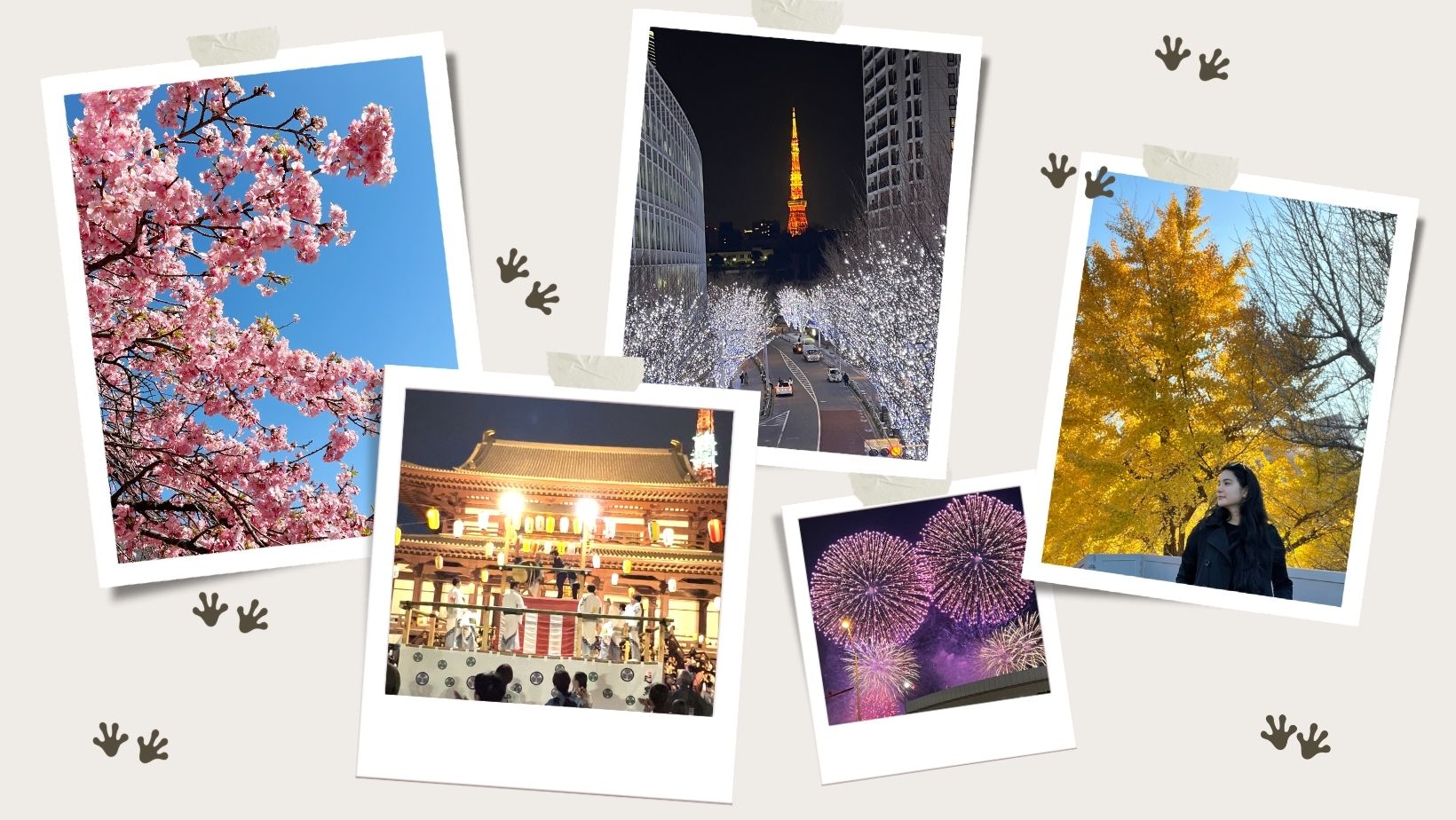
If there's one question I get asked all the time, it's this: "When is the best time to visit Japan?"
My honest answer? It depends, but please, not in summer.
June and July in Japan are extremely hot and humid. And here's the thing nobody tells you before you come: you're going to walk a lot. Japan is a hilly country, and between temples, neighborhoods, and train stations, your feet won't get a break.
If sweating through your clothes while climbing stairs doesn't bother you, summer is fine. But if you want to actually enjoy your visit, keep reading.
Oh, and whatever season you choose, drink water. I can't tell you how many friends have visited and said "I feel like the ground is moving." Every single time, they hadn't had water all day. You get so caught up walking and exploring that you forget. Don't be that person.
The quick version:
- Best time → Spring or Autumn
- Worst time → Summer (unless you love sweating)
- Avoid → Golden Week in early May
Best Time to Visit Japan by Month:
- End of March – Beginning of April → Sakura season
- May → Avoid Golden Week crowds
- June–July → Hot and humid, but full of matsuri (festivals) and fireworks
- September–November → Best weather and autumn leaves
- December → Winter illuminations and Christmas markets
Keep reading for the full breakdown.
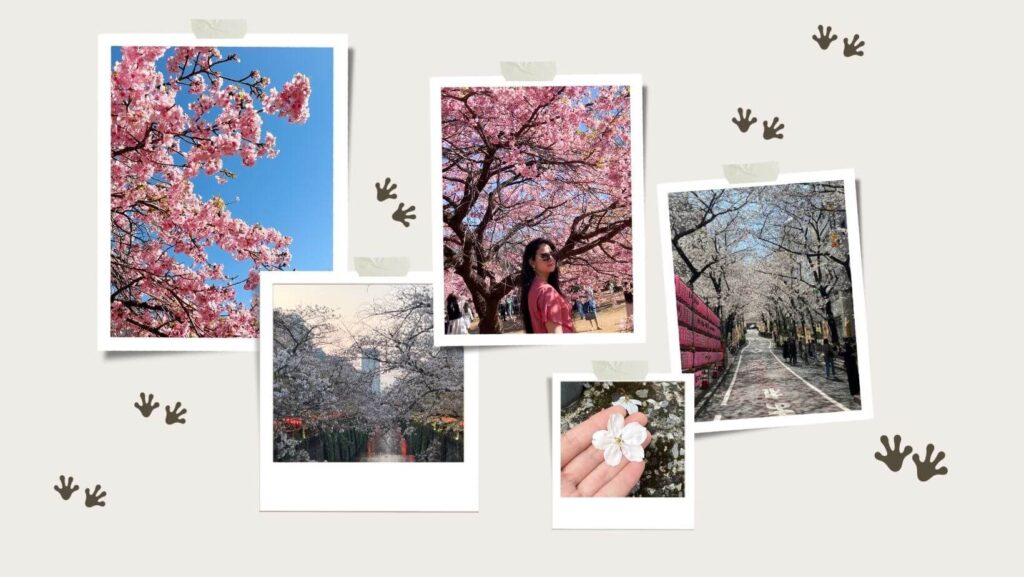
Spring in Japan — Sakura Season Guide
Sakura season is pure magic, but it's also a little chaotic, and nobody tells you that before you visit.
First thing to know: it's fast. One day you see a few blossoms, and literally the next day the trees are completely full. Then it rains, and just like that, they're gone. It's beautiful and brutal at the same time.
There are no exact dates I can give you, because every year is different. Some years sakura blooms early, others it blooms late. What I can tell you is that there are ways to track it. For example, there's a website (in Japanese, but you can use Google Chrome to translate it automatically) that gives you a forecast of when to expect blooms in different cities.
Check the Sakura forecast website.
Pro tip: if your "famous spot" has no sakura left. Tokyo has cherry blossom trees everywhere. If you keep walking and follow your plan for the day, you'll easily find them. I have a full guide on the best spots to see sakura in Tokyo.
Also, not all sakura look the same. The darker pink ones bloom first, the common almost white ones come after. So technically if you time it right, you can catch both.
One thing nobody mentions: allergies. If you have them back home, Japan might hit harder. The cedar pollen concentration here is intense, even I, someone with zero allergies, end up with a runny nose during sakura season. A face mask is your best friend.
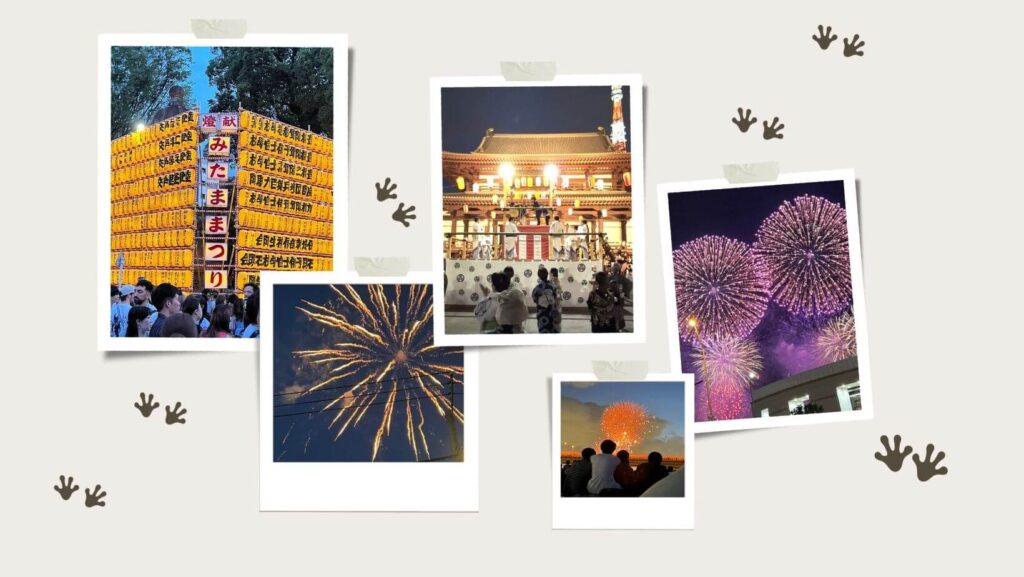
Summer in Japan — What Tourists Should Know
Let me be real with you: summer in Japan is no joke.
We're talking hot and humid in a way that is difficult to handle. I love walking; it's basically my hobby, and during summer, even I stay inside. If I have to go out, I do it early in the morning or after the sun goes down. That's my survival strategy.
Hydration is crucial. Carry water everywhere or just buy it at the convenience store, or "combini" as we call them here. They're literally everywhere in central Tokyo, so you're never far from a cold drink. I have a full guide on the most famous combinis in Japan — check it out here.
The good news is Japan has some clever summer products. One of my favorites is Biore Zero, cooling sheets that you wipe on your skin when you're sweaty and sticky. Instant refresh. I don't leave home without them in July.
There's also a cooling neck wrap, you freeze it and wear it around your neck. It doesn't last forever, but those 20 minutes of relief feel like heaven when it's 35°C outside.
And here's a tip that will save you: Don't forget to bring your deodorant from home. I'm serious. Most Japanese people naturally don't have strong body odor, so finding a powerful deodorant here is genuinely difficult. What you'll find in drugstores are tiny, mild options that won't work if you're walking all day in July heat. Don't learn this the hard way.
So, should you come in summer? If you're here for the fireworks festivals, absolutely yes.
Hanabi, that's what they call fireworks here, are a whole experience. We're not talking five minutes at the end of a concert. These are hour long shows, massive and organized, with food stalls everywhere and people dressed in yukata. Yes, there are crowds. But Japan being Japan, even the crowds are organized. It's chaotic in the best way possible.
Just come prepared, stay hydrated, and enjoy the air conditioning in combini and stores as your second home.
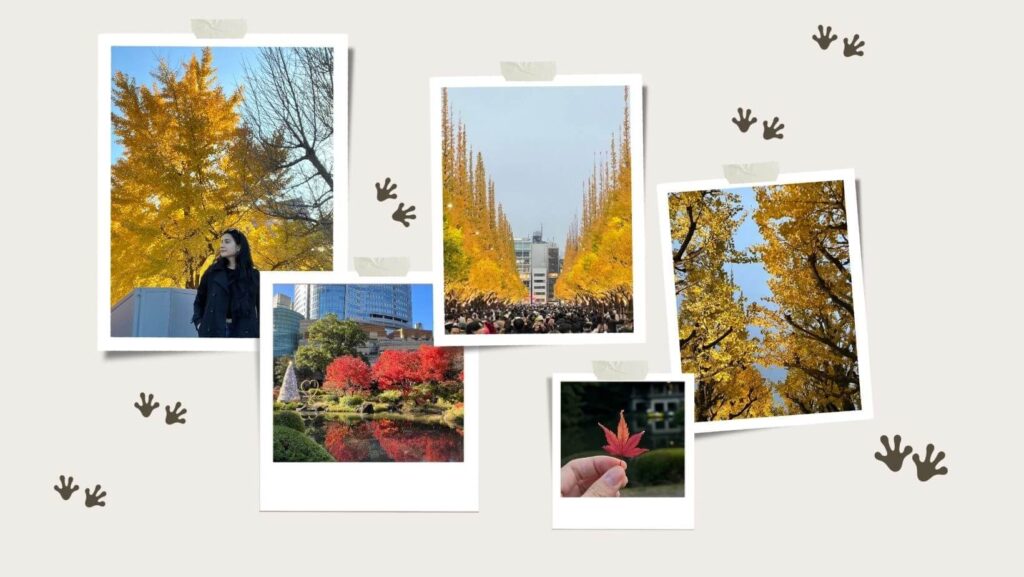
Autumn in Japan — Best Weather and Momiji Season
Autumn is my personal favorite. September and October hit that perfect sweet spot, not too hot, not too cold. You can actually walk all day without melting or freezing. Finally.
And then there's the momiji. The red and orange leaves falling everywhere, covering temple paths and parks in the most beautiful way. Every corner looks like a painting. You'll take approximately 500 photos a day and not regret a single one.
Here's the thing about Japan though, it's photogenic in every single season. Sakura in spring, fireworks in summer, momiji in autumn. There's no bad time for taking pictures.
Winter in Japan — Christmas Lights and Illuminations
And then there's winter.
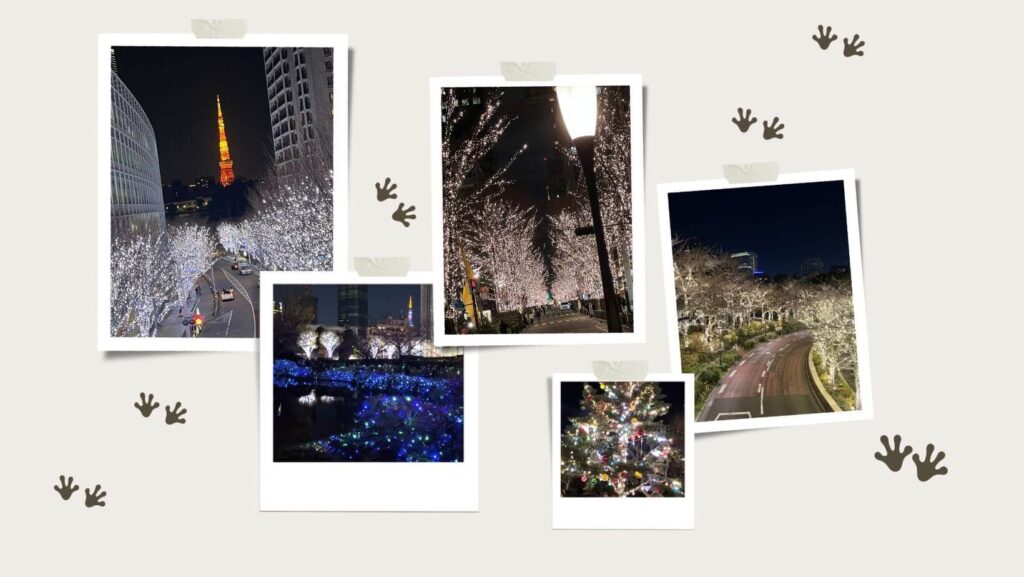
Japan goes all out for Christmas lights. When I say all out, I mean it. Entire streets lined with trees covered in lights. Not just wrapped around the trunk. Every single branch is lit up. You can imagine how long that takes, but Japan doesn't do things halfway.
Walking down a street like that at night, with the cold air and everything glowing, it's one of those things that stays with you.
Some of my favorite spots: Omotesando is iconic the whole street transforms completely. Yoyogi Park, Midtown, and Roppongi Hills are beautiful too. At Roppongi Hills you see Tokyo Tower glowing in the background. That view is beautiful.
Hop's Final Recommendation
So if you ask me, my answer is late March to early April for sakura season, or autumn for the momiji. Perfect temperatures and that feeling that the whole city is celebrating either way. You really can't go wrong with either one.
One thing to avoid: Golden Week in early May. Most Japanese people have vacation during that week, which means everything gets crowded and prices go up. Not the best time unless you book everything months in advance.
And speaking of booking, whatever season you choose, plan ahead. Popular activities in Tokyo fill up fast, no matter the time of year. Don't leave it for when you arrive.
— Hop
P.S. I'm building a mail club where you'll receive a monthly postcard straight from Tokyo. A photo I took somewhere in the city, with Hop drawn right into the scene, plus a sketch style sheet with drawings and notes about Japan. If you want to be the first to know when it opens, join the waitlist below.

0 Comments